Dime Ecosystem Architecture: Infrastructure, Layers & Tooling
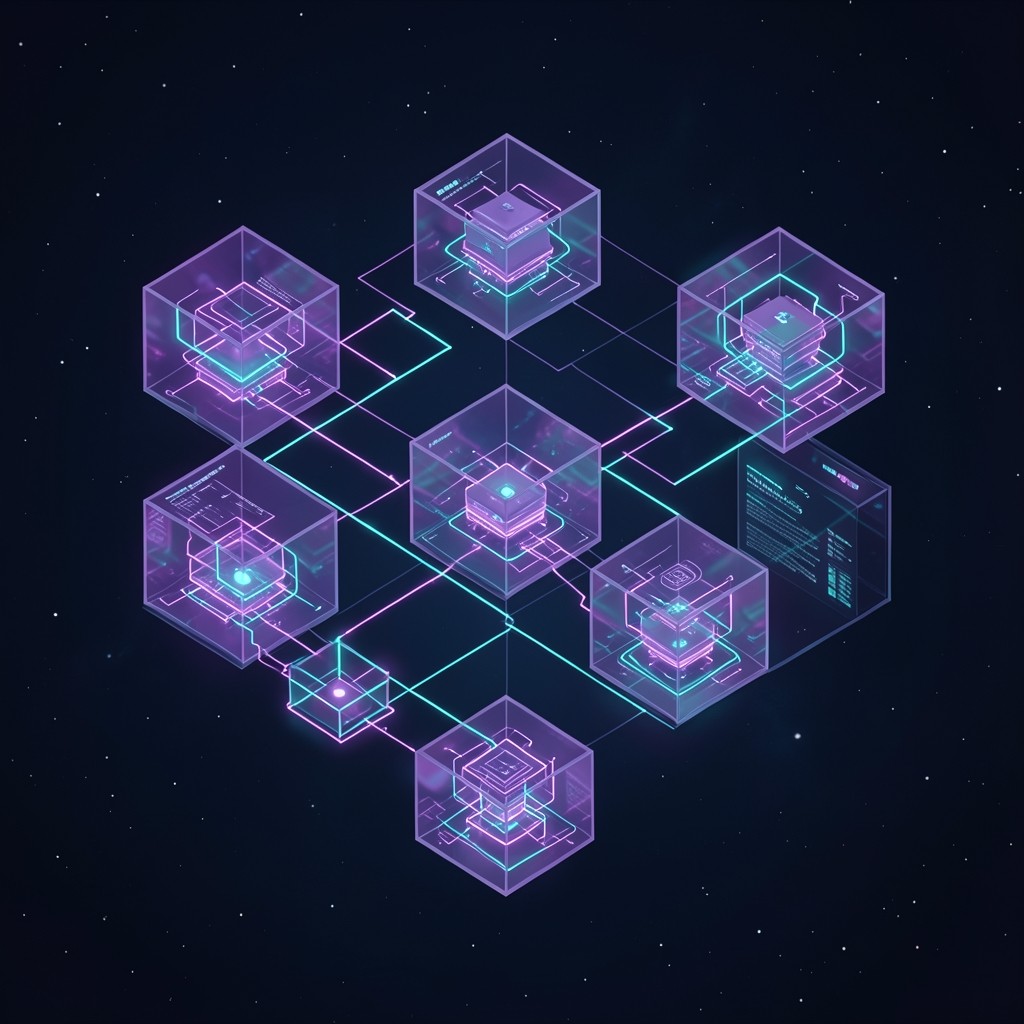
Modern decentralized ecosystems are composed of multi-tiered software layers that coordinate state computation, data indexing, and peer communication. Understanding how these layers interact provides engineers and researchers with the mental model required to build and audit distributed applications.
This technical guide outlines the core architectural components of the Dime ecosystem, tracing how an instruction flows from a developer’s application down to validator state execution.
1. The Multi-Layered Ecosystem Topology
┌─────────────────────────────────────────────────────────────┐
│ Application & Interface Layer (Web3 Clients, DApps, CLI)     │
└──────────────────────────────┬──────────────────────────────┘
                               │ JSON-RPC / gRPC
┌──────────────────────────────▼──────────────────────────────┐
│ Gateway & Indexing Layer (Public RPCs, GraphQL, Indexers)   │
└──────────────────────────────┬──────────────────────────────┘
                               │ P2P Gossip Sub / Mempool
┌──────────────────────────────▼──────────────────────────────┐
│ Consensus & Execution Layer (Validator Nodes, State Engine) │
└──────────────────────────────┬──────────────────────────────┘
                               │ RocksDB / LevelDB Storage
┌──────────────────────────────▼──────────────────────────────┐
│ Persistent Ledger State & Historical Archive Nodes           │
└─────────────────────────────────────────────────────────────┘
2. Core Infrastructure Components
A. Consensus & Validator Engine
The foundational layer composed of active validator nodes. Validators run deterministic consensus algorithms, verify cryptographic signatures, and maintain identical copies of the current global state trie.
B. Remote Procedure Call (RPC) Gateways
Directly querying a validator node during high-frequency consensus rounds can introduce latency jitter. To preserve validator performance, the ecosystem utilizes dedicated RPC Nodes. RPC nodes maintain synchronized state databases and expose standard JSON-RPC, WebSocket, and gRPC interfaces for public queries:
eth_getBalance/dime_getAccountState: Querying account storage roots.eth_sendRawTransaction: Forwarding signed transaction bytecode to validator mempools.eth_subscribe: Listening to real-time block header and log event streams.
C. State Indexers & Data Warehouses
While node state databases (such as RocksDB or Pebble) excel at rapid point-in-time state lookups, they are not optimized for complex historical aggregations. Data Indexers ingest raw block event streams, parse execution logs, and populate relational databases (PostgreSQL/ClickHouse) to power block explorers and analytical dashboards.
3. Developer Tooling & SDKs
Building applications within the Dime ecosystem relies on modular client libraries that handle cryptographic key derivation, transaction serialization, and ABI decoding:
- Client SDKs (TypeScript / Rust / Python): High-level abstractions that encode method calls into binary payloads and sign them using local key stores.
- Smart State Simulators: Local virtual testnets that enable developers to execute dry-run transactions and inspect gas consumption profiles before broadcasting to public networks.
- CLI Node Diagnostic Utilities: Command-line inspection tools allowing system administrators to benchmark network peer latency, query consensus health, and inspect raw ledger disk stores.
4. Component Interaction Lifecycle
To understand the end-to-end flow, consider what occurs when a user initiates a state update:
- Local Transaction Construction: The client application constructs an execution instruction, specifies account nonces, and signs the payload locally via an air-gapped or browser-based key signer.
- RPC Ingestion: The client transmits the signed payload via HTTP POST to an RPC endpoint. The RPC node validates basic formatting and checks the account balance.
- Mempool Gossip: The RPC broadcasts the transaction to connected validator nodes using the peer-to-peer gossip protocol.
- Block Proposal & Consensus Execution: The current slot leader bundles the transaction into a new block proposal. All validator nodes execute the state transition, verify the resultant state root hash, and broadcast consensus votes.
- Finalization & Indexing: Once $2/3 + 1$ validator votes are committed, the block is finalized. Indexer daemons parse the execution logs and update public block explorer interfaces.
Summary
The Dime ecosystem is designed with clean architectural separation between consensus validation, public RPC ingestion, and analytical indexing. For hands-on operational tools used to monitor this infrastructure, explore our Desktop Tools & Network Monitoring Guide.
Academic & Non-Commercial Citation
This educational material is published under open academic research guidelines for study and engineering development. References to Dime protocols are strictly for identification and educational purposes.